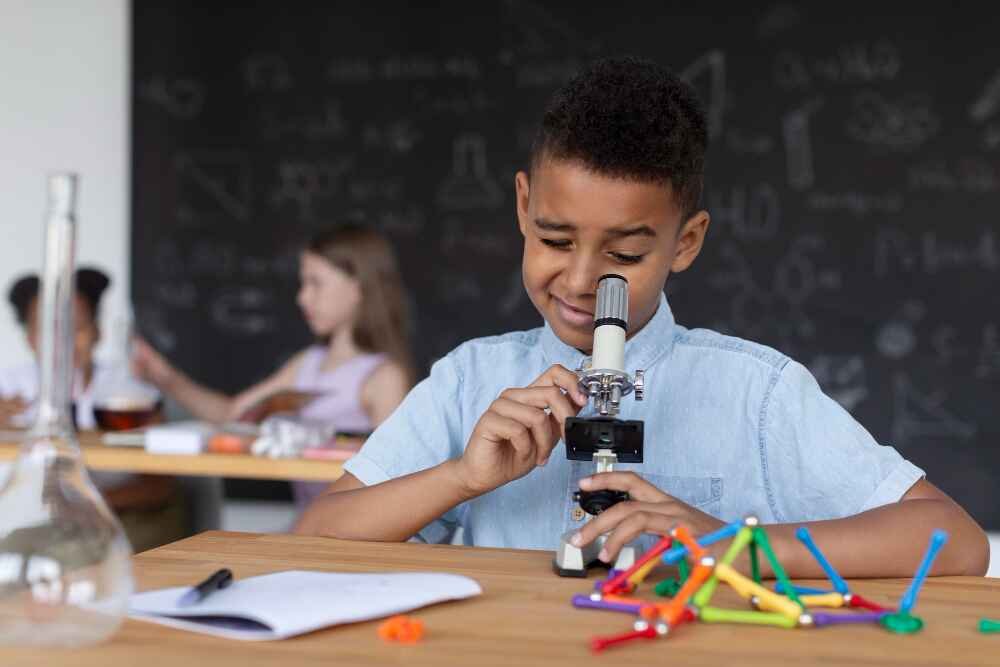
Secondary education bridges the academic journey between primary schooling and postsecondary pathways. It equips adolescents with essential academic, social, and career-readiness skills while guiding them toward adulthood.
Definition of Secondary Education
Secondary education refers to the formal learning stage typically covering grades 6 or 7 through 12. It includes both lower secondary (middle school) and upper secondary (high school), depending on the country’s educational structure.
Purpose of Secondary Education
Secondary education aims to:
Strengthen academic foundations
Support adolescent development
Prepare students for college or vocational training
Build essential life and career skills
This stage shapes a student’s future by laying the groundwork for long-term success.
Levels Within Secondary Education
Lower Secondary (Middle School / Junior High)
Covering grades 6–8 or 7–9, lower secondary strengthens fundamental concepts and introduces students to broader academic disciplines.
Upper Secondary (High School)
Usually grades 9–12, upper secondary focuses on advanced coursework, graduation requirements, and career-focused pathways.
Curriculum in Secondary Education
Core Academic Subjects
English/Language Arts
Mathematics
Science
Social Studies
Physical Education
Elective Subjects
Electives vary by school and may include art, music, technology, foreign languages, and business.
Career and Technical Education (CTE)
CTE programs offer hands-on experience and workforce skills that can lead to certifications or entry-level job opportunities.
Secondary Education Structure in the United States
In the U.S., secondary education typically includes:
Middle School: Grades 6–8
High School: Grades 9–12
Students must meet credit, coursework, and assessment requirements to graduate.
Secondary Education Around the World
Globally, secondary education systems vary. Many countries divide secondary schooling into:
General education tracks
Technical tracks
Vocational tracks
These divisions help students choose educational pathways aligned with their goals.
Importance of Secondary Education
Secondary education is essential because it:
Builds academic and life skills
Prepares students for higher education
Improves career readiness
Supports emotional and social development
Provides better job opportunities
Its influence reaches far beyond the classroom.
Who Attends Secondary Education?
Students typically enter secondary education between ages 11–14 and complete it between ages 17–18. Participation is mandatory in many countries.
Key Skills Developed in Secondary Education
Academic Skills
Analytical thinking, scientific reasoning, writing, and problem-solving.
Social and Emotional Skills
Communication, teamwork, leadership, and resilience.
Career Skills
Technical knowledge, digital literacy, job awareness, and time management.
Types of Secondary Schools
Public Schools
Government-funded and open to all students.
Private Schools
Independently funded and often offer specialized programs or religious instruction.
Charter Schools
Publicly funded but privately managed, offering unique educational models.
Magnet Schools
Focus on specific areas such as STEM, arts, or languages.
Online Schools
Provide flexible learning through virtual or hybrid models.
Assessment and Graduation Requirements
Graduation commonly requires:
Completing required credits
Passing exams
Meeting state or national standards
Completing senior projects or portfolios
Challenges in Secondary Education
Schools often address challenges such as:
Learning inequities
Mental health struggles
Resource shortages
Technology access gaps
Bullying and social pressures
Support programs, counseling, and interventions help students overcome these obstacles.
Role of Teachers and School Support Staff
Educators, counselors, and administrators guide academic progress, offer emotional support, and help maintain a safe and successful learning environment.
How Secondary Education Prepares Students for the Future
Preparation for Postsecondary Education
Strong academic foundations enable success in college or vocational programs.
Career Preparation
Guidance counseling, electives, and CTE programs help students explore careers and develop employable skills.
Personal Development
Secondary education fosters independence, critical thinking, and responsibility skills needed for adult life.
Reforms and Trends in Secondary Education
Modern reform trends include:
Personalized learning
Increased mental health support
Technology integration
Project-based learning
Dual-enrollment opportunities
These innovations help schools better meet students’ evolving needs.
Conclusion
Secondary education is more than a stage—it’s a foundation for academic achievement, personal growth, and professional success. Understanding what secondary education is helps parents, educators, and students appreciate its essential role in shaping future-ready individuals.
FAQs: What Is Secondary Education?
1. What is secondary education in simple words?
Secondary education is the schooling stage after primary school and before college. It includes middle school and high school.
2. What age is secondary education for?
Secondary education typically serves students ages 11–18, depending on the country.
3. What grades are included in secondary education?
Most systems include grades 6–12 or 7–12, split into lower and upper secondary levels.
4. Why is secondary education important?
It provides academic knowledge, life skills, and career preparation essential for adulthood and future success.
5. What is the difference between primary and secondary education?
Primary education teaches basic skills, while secondary education focuses on advanced subjects, electives, and career exploration.
6. What comes after secondary education?
Students may attend college, university, vocational training, pursue apprenticeships, or enter the workforce.
7. What subjects are taught in secondary education?
Core subjects include math, science, English, and social studies, along with electives like art, music, languages, or business.
8. Is secondary education compulsory?
In many countries, yes—at least the lower secondary level is mandatory.
9. What types of secondary schools exist?
Public, private, charter, magnet, and online schools are common types.
10. How long does secondary education last?
Typically 6–7 years, depending on the educational system.