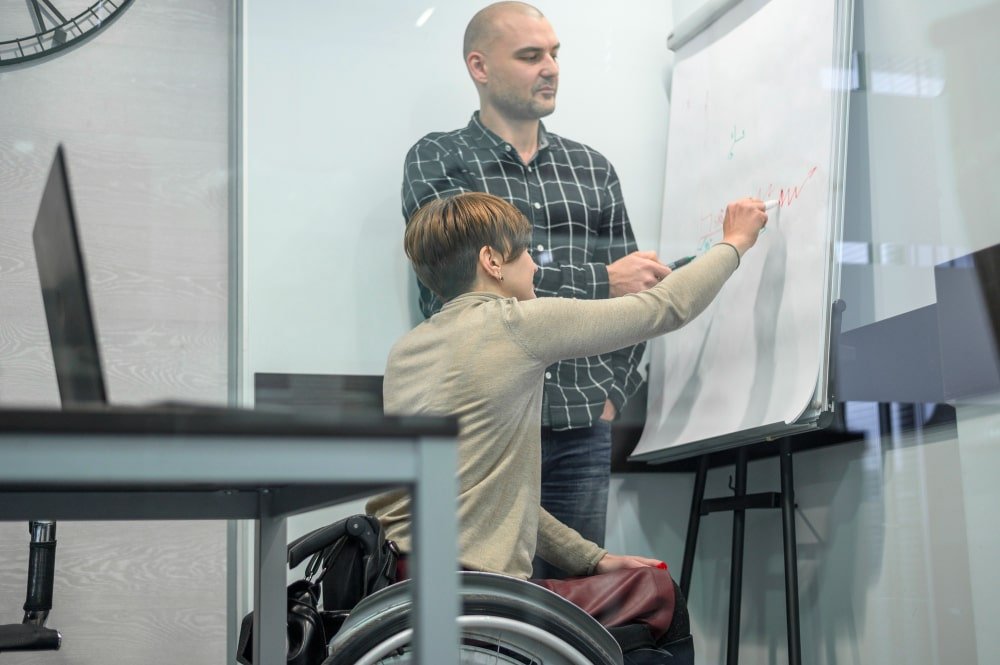
Special education teachers play a vital role in shaping the lives of students with diverse learning needs. If you’re passionate about making a difference and creating inclusive learning environments, understanding the responsibilities, skills, and career path of a special education teacher is essential.
Who is a Special Education Teacher?
A special education teacher is a professional trained to educate students with physical, emotional, or learning disabilities. They adapt teaching methods and materials to meet individual needs, ensuring all students have the opportunity to succeed academically and socially.
Roles and Responsibilities of a Special Education Teacher
Special education teachers wear many hats. Their key responsibilities include:
Developing Individualized Education Programs (IEPs) for each student
Adapting lesson plans to fit diverse learning abilities
Monitoring and assessing student progress
Collaborating with parents, caregivers, and other educators
Creating a supportive and inclusive classroom environment
Essential Skills Every Special Education Teacher Should Have
Success in special education requires a unique set of skills, including:
Patience and empathy
Strong communication and collaboration skills
Creativity in teaching methods
Problem-solving and adaptability
Knowledge of special education laws and regulations
Educational Requirements and Certifications Needed
To become a special education teacher, one typically needs:
A bachelor’s degree in special education or a related field
State teaching certification or licensure
Optional advanced degrees (Master’s or PhD) for career advancement
Continuous professional development in inclusive education strategies
Challenges Faced by Special Education Teachers
While rewarding, this career comes with challenges:
Managing diverse learning needs in one classroom
High emotional demands and stress levels
Limited resources and support in some schools
Balancing administrative tasks with teaching
Effective Teaching Strategies for Special Needs Students
To support all learners, teachers often employ strategies like:
Multi-sensory teaching approaches
Individualized instruction tailored to student strengths
Collaborative learning and peer support
Use of technology and adaptive tools
How to Create an Inclusive Classroom Environment
An inclusive classroom encourages participation and learning for everyone. Key tips include:
Promoting respect and understanding among students
Differentiating instruction based on individual needs
Encouraging peer mentoring and teamwork
Regularly assessing and adjusting teaching methods
Career Growth and Opportunities in Special Education
Special education offers diverse career paths:
Lead or senior special education teacher
Educational consultant or curriculum developer
School administrator or principal
Private tutoring or therapy services for students with special needs
Impact of Special Education Teachers on Students’ Lives
Special education teachers profoundly impact students by:
Boosting self-confidence and independence
Improving academic performance
Providing lifelong skills for social and emotional growth
Advocating for equal opportunities in education
Tips for Aspiring Special Education Teachers
Gain volunteer or internship experience with special needs students
Build strong communication skills with parents and colleagues
Stay updated on new teaching strategies and technology
Practice patience, empathy, and flexibility daily
FAQs About Special Education Teachers
Q1: What qualifications do I need to become a special education teacher?
A: You typically need a bachelor’s degree in special education or a related field and state teaching certification. Advanced degrees can further boost your career.
Q2: What skills are most important for a special education teacher?
A: Patience, empathy, adaptability, creativity, strong communication, and knowledge of special education laws are essential.
Q3: What challenges do special education teachers face?
A: Managing diverse learning needs, high emotional demands, limited resources, and administrative tasks are common challenges.
Q4: Can special education teachers work outside traditional schools?
A: Yes, they can work in private tutoring centers, therapy programs, online education, or as educational consultants.
Q5: How can I make a classroom more inclusive for special needs students?
A: Use differentiated instruction, promote peer support, implement adaptive tools, and foster a respectful, supportive environment.