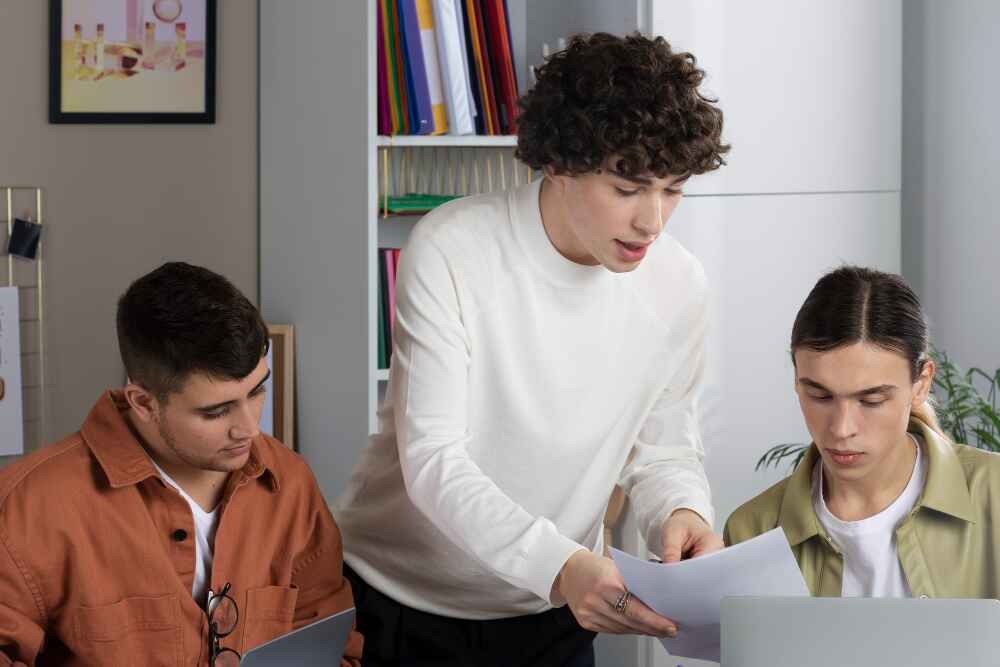
A para educator, also known as a paraprofessional or teacher’s aide, is an educational support staff member who helps teachers and assists students in achieving academic, behavioral, and social success. Para educators are especially vital in special education and inclusive classrooms where students require additional guidance or individualized instruction.
Roles and Responsibilities of Para Educators
Para educators support teachers in delivering instruction and maintaining a productive learning environment. Their responsibilities may include assisting with classroom management, preparing teaching materials, supervising students, and providing one-on-one or small-group academic help. In special education, they may also support behavior plans, communication needs, or adaptive learning strategies.
Essential Skills and Qualifications
To be effective, para educators need strong communication skills, patience, empathy, and the ability to adapt to different learner needs. While many positions require only a high school diploma, some districts require additional training, certifications, or exam qualifications. Knowledge of classroom instruction techniques and child development is especially useful.
Importance of Para Educators in Schools
Para educators enhance the overall effectiveness of classrooms by offering individualized support that complements the teacher’s instruction. They contribute to better student engagement, improved academic outcomes, and more inclusive learning environments. Their presence allows teachers to focus on instruction while ensuring all students receive necessary support.
Types of Support Provided
Para educators provide a variety of supports including academic assistance, behavior guidance, social-emotional support, and help with daily tasks. They may work with students on reading, math, organization skills, and social interactions. In special education settings, they often assist with mobility, communication devices, and individualized learning plans.
Collaboration with Teachers and Staff
Strong collaboration between para educators, teachers, administrators, and special education staff is essential for student success. Regular communication ensures consistency in instruction, effective use of accommodations, and accurate monitoring of student progress.
Impact on Student Learning
The presence of para educators has a direct positive impact on student learning. Their support increases student confidence, engagement, and understanding of instructional content. By helping students stay on task and addressing individual needs, para educators contribute to stronger academic and social outcomes.
Training and Professional Development
Ongoing training is crucial for para educators to stay effective in their roles. Many schools offer professional development opportunities related to behavior management, instructional techniques, special education strategies, and communication skills to help them grow and succeed.
Challenges Faced by Para Educators
Para educators often face challenges such as high workloads, varied expectations, or limited resources. Clear role definitions, supportive leadership, and ongoing training can help overcome these challenges and improve job satisfaction.
Conclusion
Para educators play an essential role in modern education by supporting teachers and helping students achieve their fullest potential. Their dedication strengthens the learning environment and contributes to successful, inclusive classrooms where every student can thrive.
Frequently Asked Questions (FAQs)
What is a para educator?
A para educator is a trained school professional who assists teachers and supports students academically, behaviorally, and socially.
What qualifications do para educators need?
Requirements vary, but usually include a high school diploma and, in some cases, additional training or certification.
What roles do para educators play in special education?
They help with individualized instruction, behavior support, communication needs, and classroom accommodations.
Why are para educators important?
They help ensure students receive personalized attention, support teachers with instruction, and contribute to a more inclusive and effective learning environment.
Do para educators need special training?
Many school districts provide or require training in instructional strategies, behavior management, and special education practices.