Healthy Snacks for Students: Boost Energy, Focus, and Performance
In the fast-paced life of a student, maintaining energy levels, concentration, and overall health is crucial. Many students rely on fast food, sugary treats, or highly processed snacks to get through long study sessions or busy days. However, these options often lead to energy crashes, poor focus, and long-term health issues. Choosing healthy snacks for students can make a significant difference in both academic performance and overall well-being.
From simple ideas that require minimal preparation to nutrient-dense options that can sustain energy throughout the day, this comprehensive guide explores everything students need to know about snacking wisely.
Why Healthy Snacks Are Important for Students
Snacking is often overlooked, but it plays a critical role in a student’s daily routine. Here’s why:
- Sustained Energy Levels
Students spend hours in classrooms, libraries, or labs, and their energy needs fluctuate throughout the day. Healthy snacks provide a steady source of energy, preventing the mid-afternoon crash that often comes from sugary or highly processed snacks. - Improved Focus and Cognitive Function
Certain nutrients, such as omega-3 fatty acids, vitamins, and minerals, directly impact brain function. Healthy snacks rich in these nutrients help enhance concentration, memory retention, and problem-solving skills, which are essential for academic success. - Support for Physical Health
A balanced diet that includes nutritious snacks helps maintain a healthy weight, strengthens the immune system, and supports overall physical health. For students who engage in sports or physical activities, the right snacks can improve performance and recovery. - Better Mood and Stress Management
Cravings and hunger can affect mood and increase stress levels. Consuming balanced snacks that include protein, fiber, and healthy fats can stabilize blood sugar levels, leading to improved mood and emotional well-being. - Development of Healthy Eating Habits
Students are at an age where lifelong eating habits are formed. Choosing healthy snacks fosters discipline, awareness, and better nutrition choices in the long term.
Essential Nutrients to Look for in Student Snacks
To maximize the benefits of snacks, students should focus on foods that provide:
- Protein: Builds and repairs tissues, promotes satiety, and supports brain function. Sources include nuts, seeds, yogurt, cheese, and lean meats.
- Complex Carbohydrates: Provide slow-release energy for sustained focus. Examples include whole-grain crackers, oats, and fruits.
- Healthy Fats: Support brain health and keep students full longer. Sources include avocado, nuts, and olive oil.
- Fiber: Promotes digestion and helps regulate blood sugar. Found in fruits, vegetables, legumes, and whole grains.
- Vitamins and Minerals: Boost immunity, improve cognitive function, and maintain overall health. Found in fruits, vegetables, dairy, and fortified snacks.
Top Healthy Snacks for Students
Here’s a detailed list of healthy snacks that students can enjoy at any time of the day.
- Fresh Fruits and Vegetables
Fruits and vegetables are packed with vitamins, minerals, and fiber. They are low in calories but high in nutrients, making them ideal for students who need quick, refreshing snacks.
- Apples and Peanut Butter: Combines fiber with protein and healthy fats.
- Carrot Sticks and Hummus: Rich in vitamins and a perfect crunchy snack.
- Bananas: Provide instant energy with natural sugars and potassium.
- Berries: Full of antioxidants that support brain health.
- Nuts and Seeds
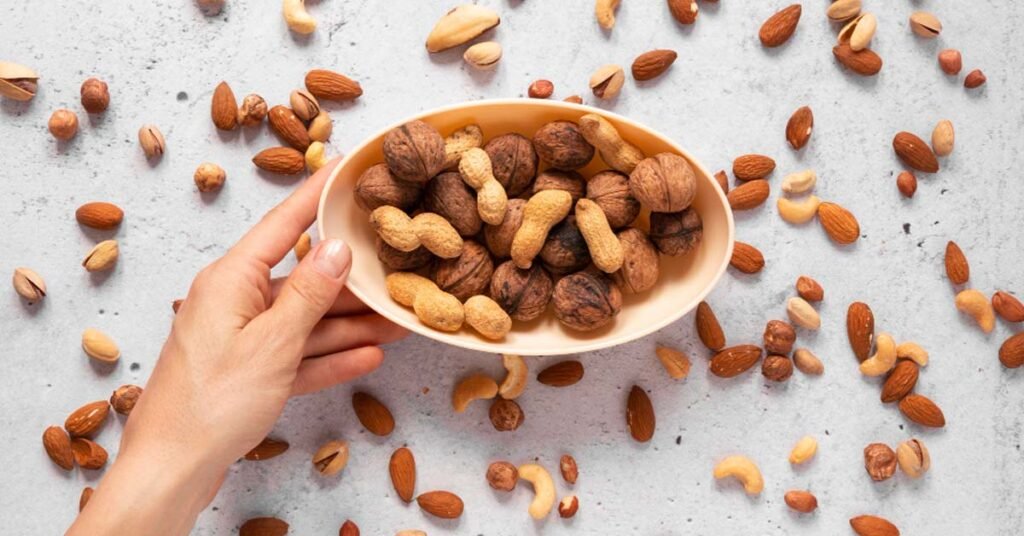
Nuts and seeds are excellent sources of protein, healthy fats, and micronutrients. They can help students feel full and focused during long study sessions.
- Almonds: Rich in vitamin E and protein.
- Walnuts: Excellent for brain health due to omega-3 fatty acids.
- Pumpkin Seeds: High in magnesium and zinc, which support cognitive function.
- Trail Mix: Combine nuts, seeds, and dried fruits for a portable snack.
- Yogurt and Dairy-Based Snacks
Dairy provides protein, calcium, and probiotics, supporting bone health and digestion.
- Greek Yogurt with Honey: High in protein and antioxidants.
- Cheese Cubes: Easy to pack and full of calcium.
- Cottage Cheese with Fruit: A sweet and savory combination that keeps energy steady.
- Whole Grains
Whole grains are excellent sources of complex carbohydrates and fiber. They release energy slowly, keeping students alert for longer.
- Whole-Grain Crackers with Nut Butter: Combines fiber and protein.
- Oatmeal Energy Balls: Made with oats, nuts, and dried fruit, perfect for a quick boost.
- Popcorn (Air-Popped): A low-calorie snack rich in fiber.
- Protein Snacks
Protein-rich snacks are essential for muscle maintenance, satiety, and brain function.
- Boiled Eggs: Portable, nutrient-dense, and satisfying.
- Edamame: A great plant-based protein snack.
- Protein Bars: Look for low-sugar options with natural ingredients.
- Smoothies and Beverages
Healthy beverages can be an easy way to consume fruits, vegetables, and protein.
- Green Smoothies: Spinach, banana, and almond milk provide fiber and energy.
- Protein Shakes: Ideal post-workout or during long study hours.
- Herbal Teas: Hydrating and calming during stressful periods.
- Homemade Snack Options
Preparing snacks at home ensures quality ingredients and better nutrition.
- Veggie Muffins: Made with whole grains and vegetables.
- Energy Bars: Combine oats, nuts, and dried fruits.
- Trail Mix Cookies: Blend healthy ingredients for a quick treat.
Tips for Students to Make Snacking Healthy
Healthy snacking is not just about what you eat, but how and when you eat. Here are some practical tips:
- Plan Ahead
Pack snacks in small containers to avoid unhealthy temptations from vending machines or fast food outlets. - Balance Macronutrients
Each snack should ideally include a mix of protein, complex carbs, and healthy fats for maximum benefits. - Avoid Excess Sugar
High-sugar snacks may give a temporary energy boost but often lead to crashes and decreased focus. - Portion Control
Even healthy snacks can lead to excess calorie intake if consumed in large amounts. Use small containers or snack-sized bags. - Stay Hydrated
Sometimes hunger is actually dehydration. Drinking water regularly is key for energy and focus.
Conclusion: Choosing Healthy Snacks Is a Smart Investment
For students, snacks are not just about quelling hunger—they are an essential part of academic and personal success. Incorporating healthy snacks for students into daily routines improves energy levels, focus, mood, and overall health. With options ranging from fresh fruits to protein-rich treats and homemade snacks, students can enjoy delicious and nutritious foods that support both their studies and well-being.
By planning, balancing nutrients, and choosing whole, natural ingredients, students can transform snacking into a strategic tool for learning and growth. The right snack at the right time can make a significant difference in performance, health, and even long-term eating habits.
Invest in your future today—one snack at a time.