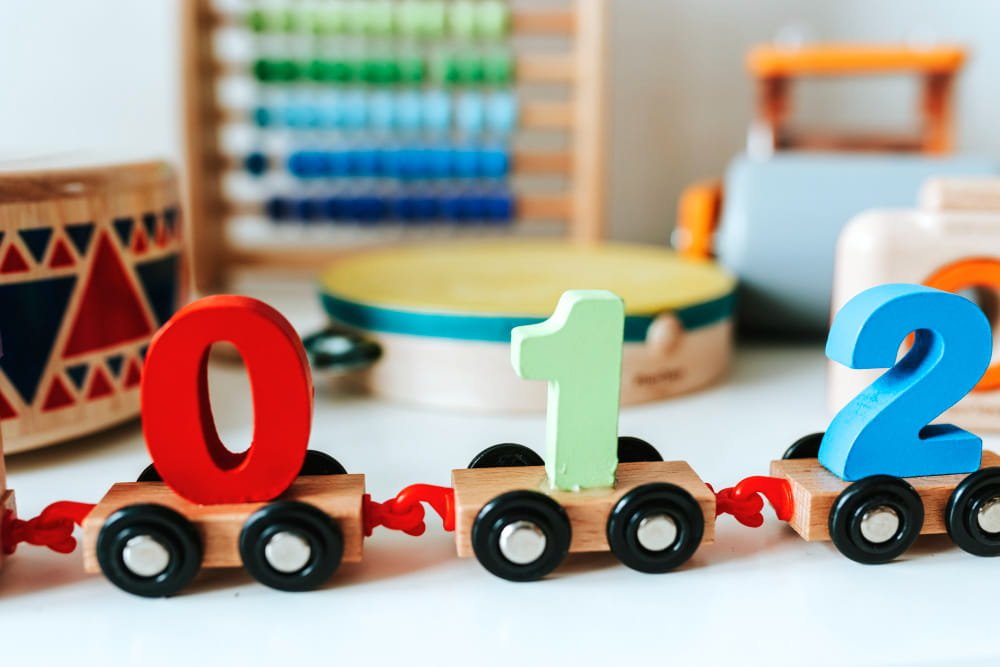
Educational toys are specially designed toys that promote learning and skill development in children while keeping play fun and engaging. They encourage cognitive, social, emotional, and physical growth, making them an essential part of early childhood development. Parents and educators alike use educational toys to strengthen problem-solving, creativity, and critical thinking in children of all ages.
What Are Educational Toys?
Educational toys are tools or playthings that combine entertainment with learning. They are designed to teach concepts like numbers, letters, colors, shapes, problem-solving, and social skills while keeping children actively engaged.
Importance of Educational Toys for Child Development
Educational toys help children:
Develop cognitive and motor skills
Build creativity and imagination
Improve social interaction and collaboration
Boost emotional intelligence
Encourage curiosity and independent learning
Benefits of Educational Toys for Different Age Groups
Infants (0–2 years): Sensory toys, rattles, and stacking blocks for motor skill development
Toddlers (2–4 years): Shape sorters, puzzles, and simple learning games for problem-solving
Preschoolers (4–6 years): Letter blocks, educational board games, and STEM kits for early learning
School-age children (6+ years): Science kits, coding toys, and complex puzzles to enhance creativity and logical thinking
Types of Educational Toys
Educational toys come in various categories, each focusing on a specific type of skill development:
STEM toys
Montessori toys
Language and literacy toys
Creative and artistic toys
Cognitive and problem-solving toys
Physical and outdoor toys
STEM Toys: Science, Technology, Engineering, and Math Learning
STEM toys teach children concepts related to science, technology, engineering, and mathematics. Examples include building blocks, robotic kits, and chemistry sets. These toys encourage critical thinking and hands-on experimentation.
Montessori Toys for Early Childhood Development
Montessori toys are designed to promote self-directed learning, independence, and practical life skills. They often include sensory activities, sorting games, and fine motor skill tools.
Language and Literacy Educational Toys
These toys help children develop reading, writing, and language comprehension. Examples include alphabet blocks, flashcards, and interactive storytelling toys.
Creative and Artistic Educational Toys
Art and craft-based toys encourage imagination, self-expression, and creativity. Examples include painting sets, modeling clay, and musical instruments.
Cognitive and Problem-Solving Toys
Puzzles, brainteasers, and logic games help improve memory, analytical skills, and concentration. These toys challenge children to think critically and solve problems independently.
Outdoor and Physical Educational Toys
Outdoor toys, such as sports equipment, climbing sets, and balance bikes, promote physical development, coordination, and social skills through active play.
Choosing the Right Educational Toy for Your Child
When selecting educational toys, consider your child’s age, interests, and developmental stage. Look for toys that are safe, durable, and align with learning objectives while keeping play enjoyable.
Safety Considerations When Buying Educational Toys
Ensure toys are non-toxic, free of small choking hazards for younger children, and meet safety certifications. Read product labels and age recommendations carefully.
How Educational Toys Enhance Learning at Home
Educational toys provide opportunities for interactive learning outside the classroom. Parents can use them to teach foundational concepts, reinforce lessons, and encourage curiosity in a fun, hands-on way.
Role of Parents and Caregivers in Educational Play
Parents and caregivers play a vital role by guiding, supervising, and participating in play. Their involvement enhances the learning experience and strengthens parent-child bonding.
Educational Toys for Special Needs Children
Educational toys can be adapted for children with special needs to support sensory development, communication skills, and motor abilities. Examples include tactile toys, adaptive puzzles, and interactive learning tools.
Trends in Educational Toys
Current trends include digital learning toys, coding kits, eco-friendly toys, and interactive STEM sets. These modern educational toys combine technology with hands-on learning for an engaging experience.
DIY Educational Toys and Learning Activities
Parents can also create DIY educational toys using household items, such as homemade puzzles, sensory bottles, or math games. These cost-effective options encourage creativity while teaching essential skills.
How to Make Playtime Both Fun and Educational
Balance structured educational play with free play. Encourage exploration, allow mistakes, and praise effort to make learning enjoyable and meaningful.
Frequently Asked Questions (FAQs)
What are educational toys?
Educational toys are playthings designed to teach children skills like problem-solving, literacy, creativity, and motor development while keeping play fun.
At what age should children start using educational toys?
Children can start with age-appropriate educational toys from infancy, such as rattles and sensory toys, and progress to puzzles and STEM kits as they grow.
Can educational toys improve learning outcomes?
Yes, educational toys enhance cognitive, emotional, social, and physical development, supporting both academic and personal growth.
Are digital educational toys effective?
When used appropriately, digital educational toys can supplement hands-on learning and introduce children to technology-based problem-solving.
How can parents choose safe educational toys?
Check age recommendations, avoid small choking hazards, ensure toys are non-toxic, and choose products that meet safety certifications.