Physical Education (PE) is a fundamental part of a well-rounded education, promoting physical fitness, mental well-being, and social skills. From children in schools to adults seeking lifelong fitness, PE helps individuals maintain a healthy and balanced lifestyle.
Introduction to Physical Education
Physical Education involves structured activities that develop physical fitness, motor skills, and overall health. Its main purpose is not just exercise but fostering holistic development, including mental and social growth. Engaging in PE regularly enhances energy levels, focus, and confidence.
History and Evolution of Physical Education
Physical education has evolved over centuries. Ancient civilizations, such as Greece and Rome, emphasized fitness and athleticism. Modern PE integrates science-backed exercise routines, inclusive programs, and technology to enhance learning and participation.
Goals and Objectives of Physical Education
The main objectives of PE include:
Physical Fitness and Health: Building strength, endurance, flexibility, and cardiovascular health.
Mental Well-Being: Reducing stress, improving focus, and boosting mood.
Social Skills: Encouraging teamwork, leadership, and discipline through group activities and sports.
Types of Physical Education Activities
Physical education programs offer a wide range of activities, such as:
Aerobic Exercises and Cardiovascular Training: Running, cycling, and swimming.
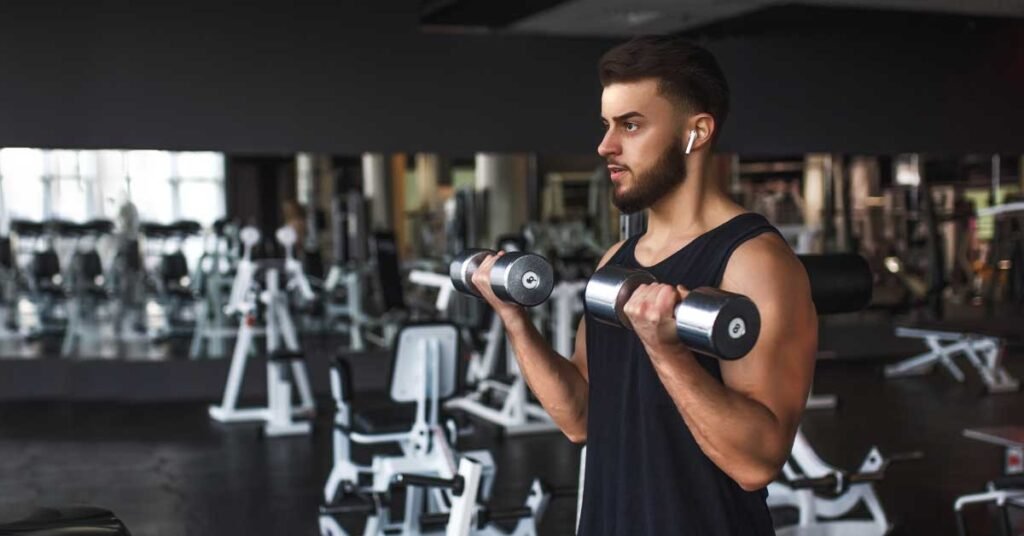
Strength and Flexibility Exercises: Weight training, resistance exercises, and stretching routines.
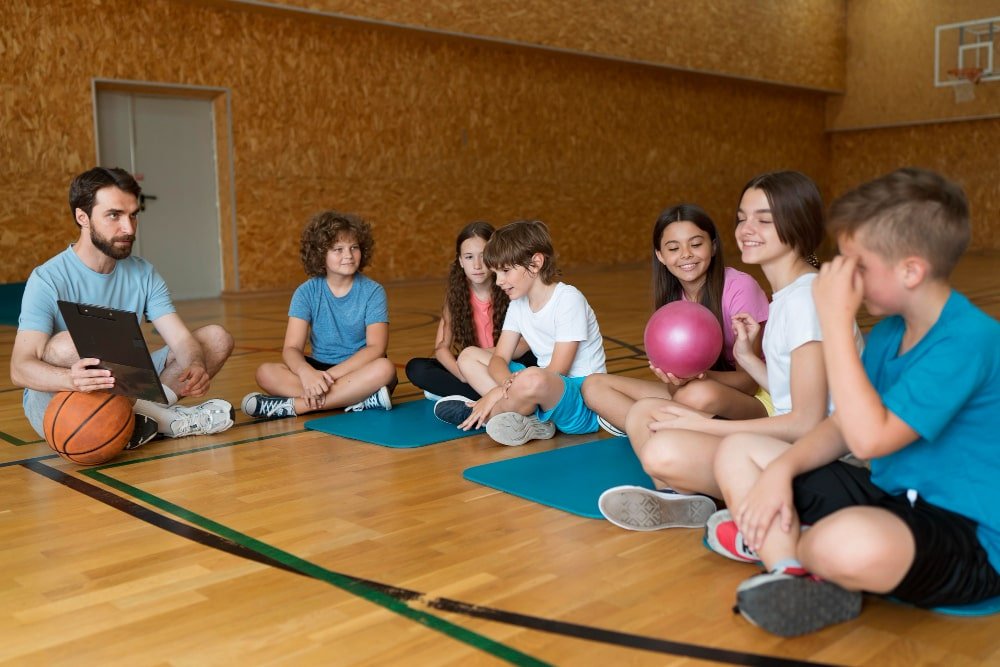
Sports and Recreational Activities: Soccer, basketball, volleyball, and fun group games.
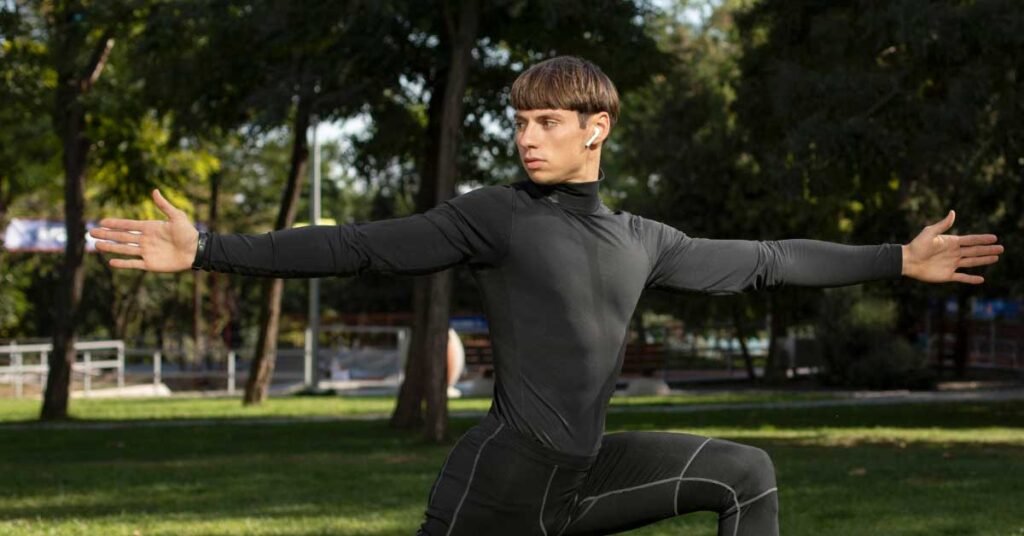
Yoga and Mindfulness Practices: Combining physical activity with mental relaxation techniques.
Benefits of Physical Education
Engaging in regular PE provides numerous benefits:
Physical Benefits: Improved strength, endurance, coordination, and overall health.
Mental Benefits: Enhanced focus, reduced anxiety, and elevated mood.
Social Benefits: Teamwork, leadership skills, and better communication.
Physical Education in Schools
Schools play a critical role in implementing PE programs:
Curriculum Structure: Age-appropriate exercises and activities for each grade level.
Role of Teachers: Guiding, motivating, and assessing students’ physical progress.
Assessment: Evaluating performance through fitness tests, participation, and skill development.
Challenges in Physical Education
Despite its benefits, PE faces some challenges:
Limited resources and infrastructure in schools.
Engaging students and maintaining motivation.
Balancing academics with physical activity in a busy curriculum.
Future of Physical Education
The future of PE is evolving with innovations:
Technology Integration: Fitness apps, wearable devices, and virtual PE classes.
Inclusive Education: Adaptive programs for students with different abilities.
Lifelong Fitness: Encouraging habits that continue beyond school years.
Frequently Asked Questions (FAQs)
Q1: Why is physical education important?
A: PE promotes physical health, mental well-being, and social skills, helping individuals lead balanced lives.
Q2: What activities are included in PE programs?
A: Activities include aerobic exercises, sports, strength training, flexibility exercises, and mindfulness practices.
Q3: How do schools assess physical education performance?
A: Assessment is based on fitness tests, skill development, participation, and teamwork.
Q4: Can technology improve physical education?
A: Yes, through fitness apps, virtual classes, and wearable devices that track performance.
Q5: How can PE benefit students socially?
A: PE encourages teamwork, leadership, and communication skills through group activities and sports.