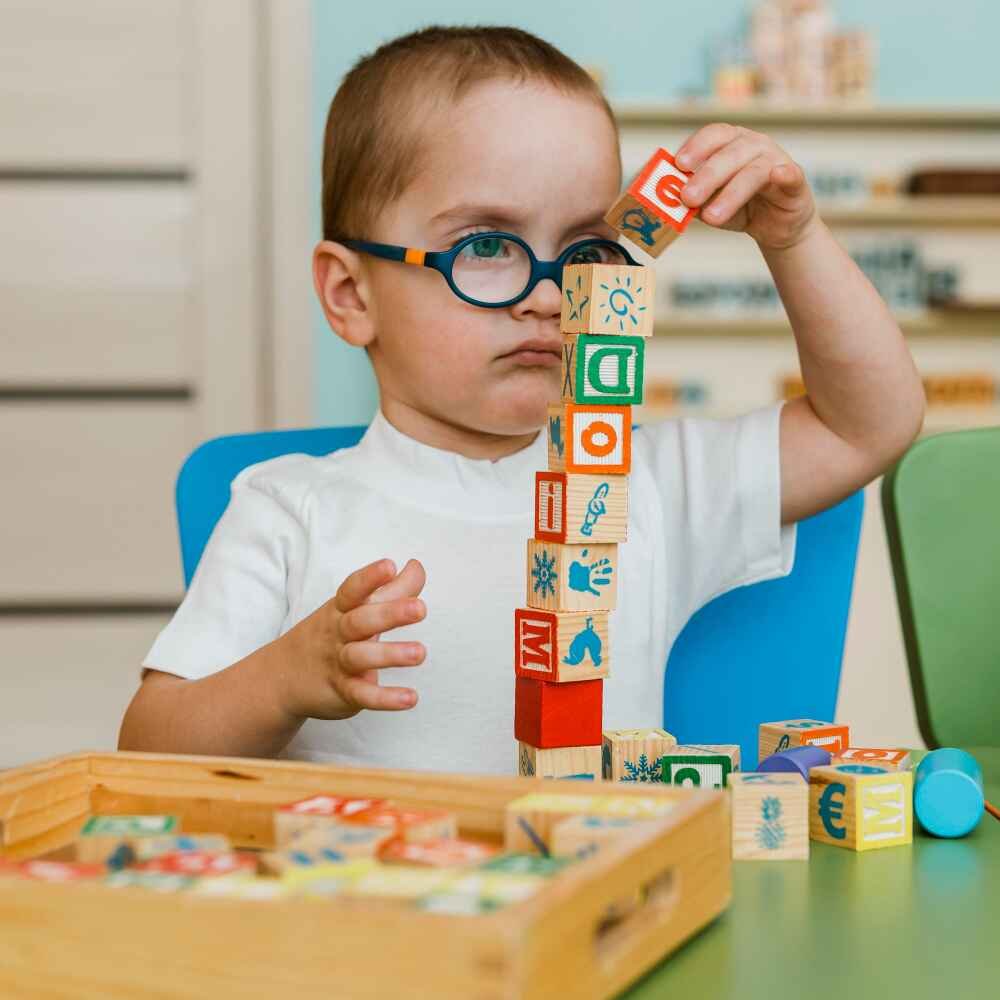
Montessori education is a child-centered learning approach that emphasizes independence, hands-on exploration, and individualized instruction. Created by Dr. Maria Montessori, it encourages children to learn at their own pace in a structured yet flexible environment.
History and Origins of Montessori Education
The Montessori method began in the early 1900s when Dr. Maria Montessori opened her first classroom, Casa dei Bambini, in Italy. Her scientific observations of children formed the foundation of the method used today worldwide.
Core Principles of the Montessori Method
Child-led learning
Prepared environment
Mixed-age classrooms
Hands-on materials
Intrinsic motivation
Respect for the child
These principles guide every Montessori classroom, ensuring learning aligns with natural development.
How Montessori Classrooms Are Structured
Montessori environments are designed to be calm, organized, and accessible. Child-sized furniture, open shelves, and curated learning materials allow students to move freely and choose their activities.
Role of the Teacher in Montessori Education
Montessori teachers act as guides, not lecturers. Their role is to observe, support, and gently introduce new materials when the child is ready.
Montessori Materials and Learning Activities
Montessori materials are scientifically designed to develop skills such as:
Practical life (pouring, cleaning, dressing)
Sensorial learning
Math and language
Cultural and science exploration
Every material is purposeful, self-correcting, and visually appealing.
Child-Led Learning in the Montessori Environment
Students choose their own activities, helping them develop independence, confidence, and concentration. This freedom comes with structure, ensuring engagement aligns with educational goals.
Benefits of Montessori Education
Builds independence and self-discipline
Strengthens concentration
Encourages creativity and problem-solving
Supports emotional and social development
Allows individualized learning
Many families value Montessori because it nurtures the whole child—academically, emotionally, and socially.
Common Misconceptions About Montessori
Some believe Montessori means children “do whatever they want,” but the method is actually highly structured with clear rules and guided choices.
Montessori vs. Traditional Education
| Montessori | Traditional |
|---|---|
| Child-led learning | Teacher-directed instruction |
| Mixed-age groups | Same-age groups |
| Hands-on materials | Workbooks/lectures |
| Self-paced | Standard pacing |
Montessori Education at Home
Parents can integrate Montessori principles by offering:
Low shelves with accessible activities
Simple, real-life tools
Routines that encourage independence
Limited, high-quality toys
Who Is Montessori Education Best Suited For?
Montessori education is ideal for children who thrive with independence, hands-on activities, and a calm, structured environment. It also supports neurodivergent learners, though compatibility varies.
Challenges and Criticisms of the Montessori Method
Critics sometimes mention:
Fewer opportunities for competition
Less emphasis on standardized testing
Higher tuition at private Montessori schools
Inconsistent quality (not all Montessori schools are accredited)
How to Choose a Montessori School
Look for:
AMS or AMI accreditation
Authentic Montessori materials
Trained Montessori-certified teachers
Mixed-age classrooms
Calm, orderly environment
The Future of Montessori Education
Montessori continues to grow worldwide due to its effectiveness in fostering independence and social-emotional development. Many schools are blending Montessori with modern technology and STEM initiatives.
FAQs About Montessori Education
What age is best to start Montessori?
Children can begin Montessori as early as 18 months, though many start between ages 2.5 and 3.
Is Montessori only for preschoolers?
No. Montessori programs exist from infancy through high school.
Is Montessori good for children with ADHD or autism?
Many neurodivergent children benefit from Montessori’s structure and independence, but suitability depends on the school and child.
Is Montessori expensive?
Private Montessori schools can be costly, but some public and charter Montessori programs are available.
Does Montessori prepare children for traditional school?
Yes. Montessori builds strong academic and social skills that help children transition successfully.