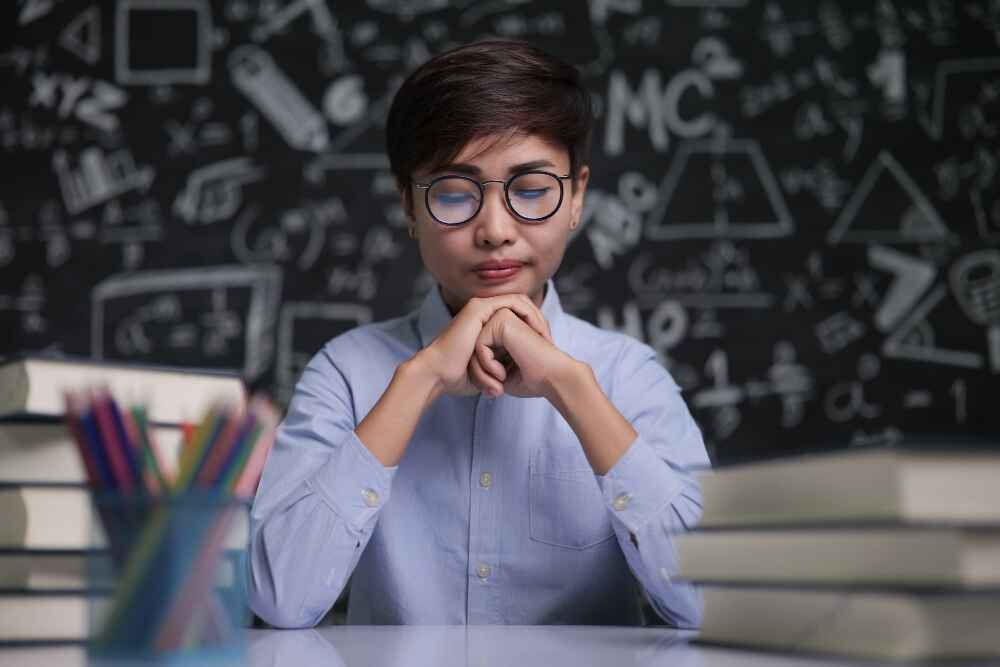
Education is one of the most powerful tools an individual can possess. It shapes thinking, opens doors to new opportunities, and plays a crucial role in building stronger societies. Beyond academic learning, education influences personal development, social connections, and overall well-being.
Foundation for Personal Growth
Education helps individuals understand themselves better. It builds confidence, enhances decision-making abilities, and encourages lifelong learning. When people learn new skills and broaden their knowledge, they gain the ability to shape their own futures.
Development of Critical Thinking Skills
Through education, individuals learn to analyze information, evaluate arguments, and solve problems effectively. Critical thinking empowers people to navigate challenges with clarity and make sound judgments in daily life.
Improved Employment Opportunities
A strong educational background opens the door to better job prospects. It equips individuals with specialized skills and qualifications that employers value, increasing their chances of securing stable and fulfilling careers.
Economic Growth and Stability
Education contributes to a nation’s economic progress. Educated populations tend to be more productive, innovative, and capable of adapting to technological advancements. This leads to stronger economies and reduced unemployment rates.
Enhanced Social and Communication Skills
Schools and learning environments help individuals develop communication, teamwork, and interpersonal skills. These social abilities are essential for forming relationships, collaborating with others, and thriving in community settings.
Promotes Equality and Reduces Poverty
Access to education is a powerful driver of equality. It provides disadvantaged individuals with the tools to overcome social and economic barriers, breaking cycles of poverty and creating more balanced opportunities for all.
Encourages Innovation and Creativity
Education nurtures curiosity and imagination. It inspires individuals to explore new ideas, create solutions, and contribute to advancements in science, technology, arts, and society as a whole.
Improves Health and Well-Being
Educated individuals tend to make healthier choices, understand medical information better, and have greater access to health resources. Education also plays a role in emotional well-being by reducing stress linked to financial or social instability.
Empowers Individuals to Make Informed Decisions
From finances to relationships, education provides people with the knowledge needed to make informed and responsible decisions. This leads to better outcomes in both personal and professional life.
Strengthens Communities and Societies
Communities with educated populations experience lower crime rates, higher civic participation, and stronger social cohesion. Education fosters values such as empathy, respect, and cooperation, which contribute to a more harmonious society.
Supports Cultural Awareness and Understanding
Education exposes individuals to diverse perspectives, histories, and cultures. This awareness promotes tolerance, reduces prejudice, and builds mutual understanding among different social groups.
Prepares Individuals for a Changing World
In a rapidly evolving world, education equips individuals with adaptability and resilience. It prepares them for technological shifts, global challenges, and the demands of future job markets.
FAQs
Why is education important for children?
Education helps children develop essential skills, build character, and prepare for future academic and career challenges.
How does education impact society?
It promotes economic development, reduces inequality, increases civic engagement, and strengthens community bonds.
Can education improve career opportunities?
Yes. Education provides valuable skills and qualifications that lead to better job prospects and higher earning potential.
Is education only about academics?
No. Education includes personal development, social skills, emotional growth, and practical life competencies.
How does education reduce poverty?
By providing individuals with the knowledge and skills needed for better jobs, education helps break cycles of poverty and improves living standards.